What We Do

Emergency Relief Program

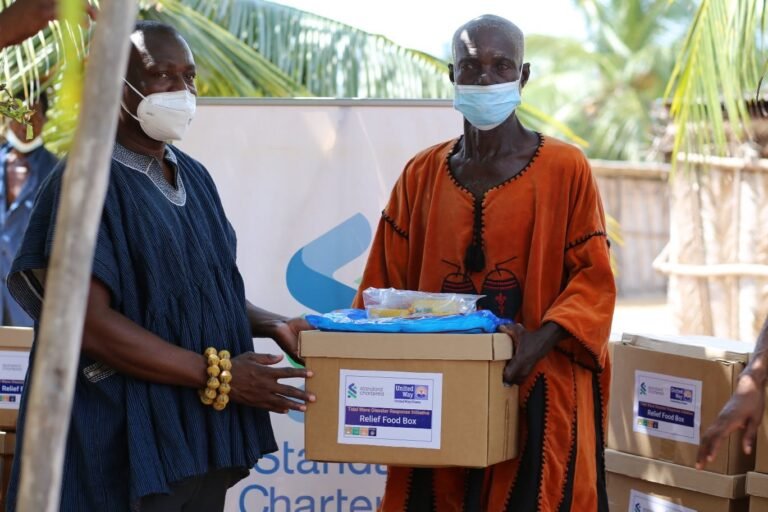
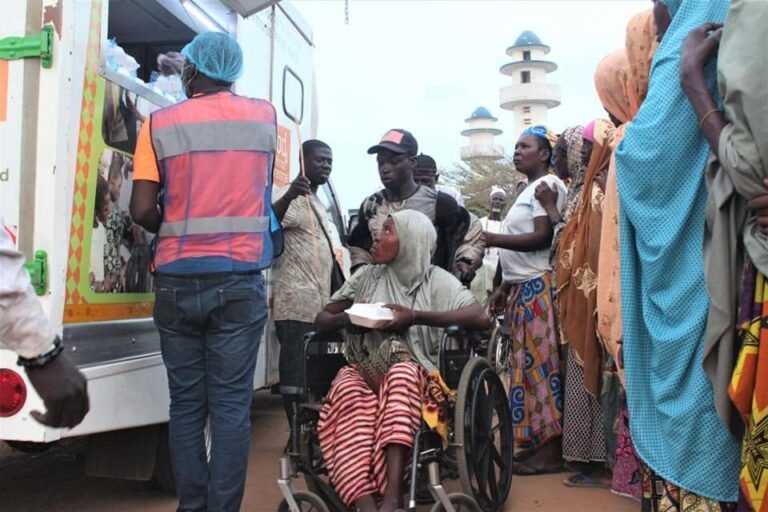
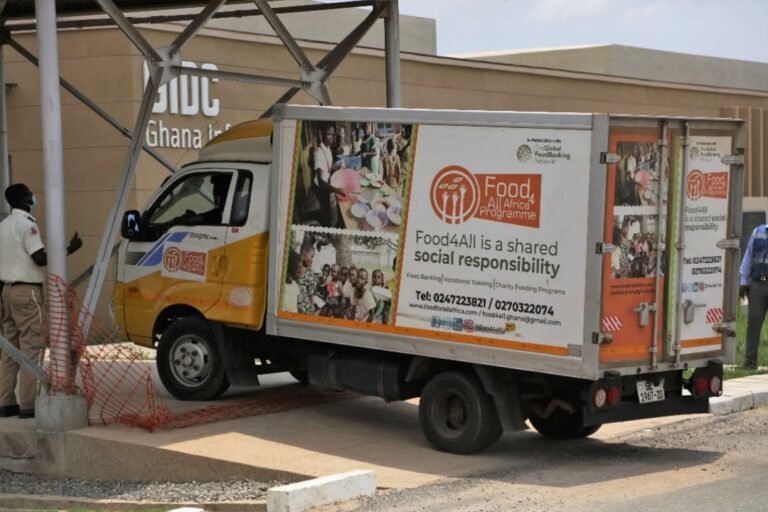
Food for All Africa’s Emergency Relief Programme provides rapid, coordinated, and compassionate response to communities affected by disasters, crises, and humanitarian emergencies. Guided by our Circular African Food Banking Model, we mobilize rescued food, donated supplies, and partner support to deliver immediate assistance to vulnerable populations in times of urgent need.

Our approach ensures that emergency response is not only reactive, but also structured, scalable, and integrated into long-term recovery and resilience building.

Meeting Urgent Needs

Emergency Relief for Vulnerable Affected Communities

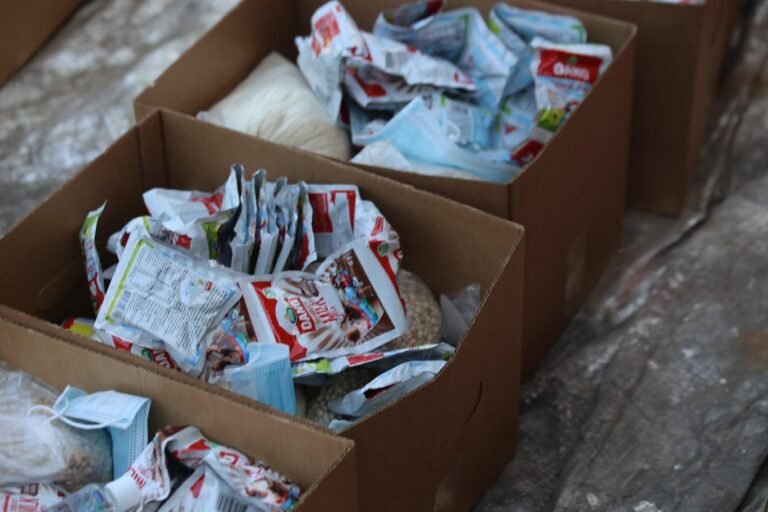
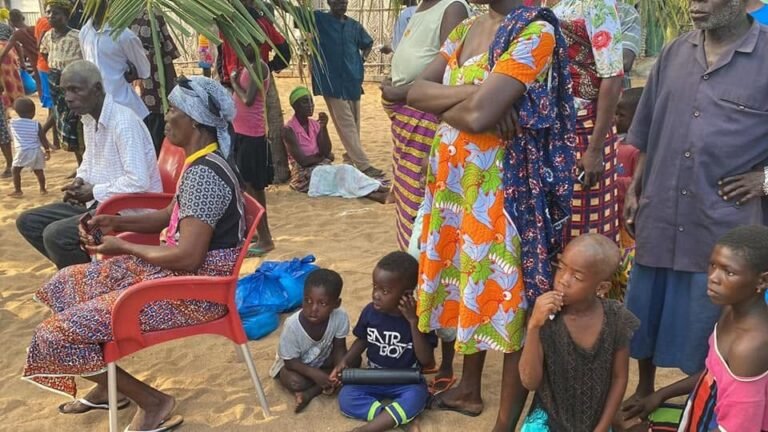
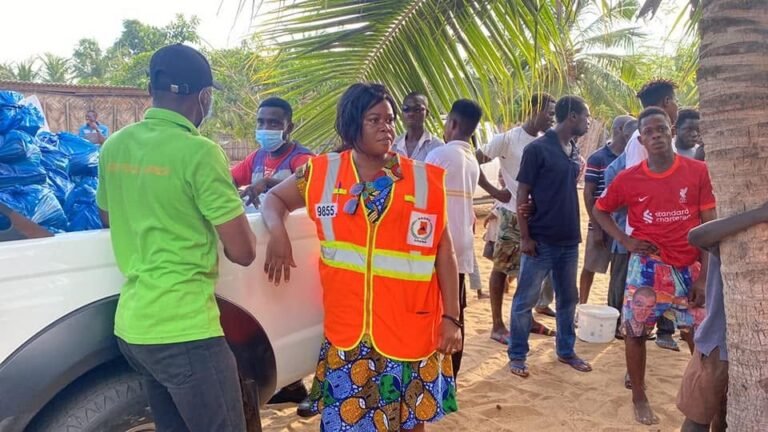
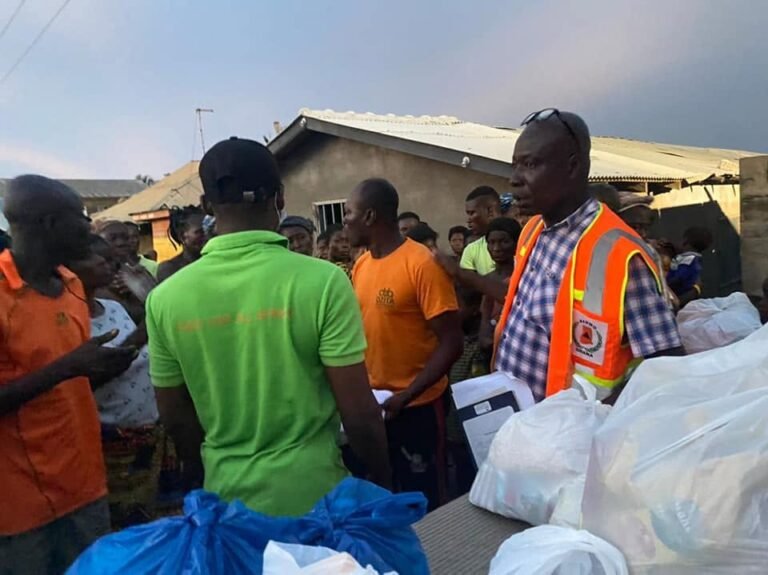
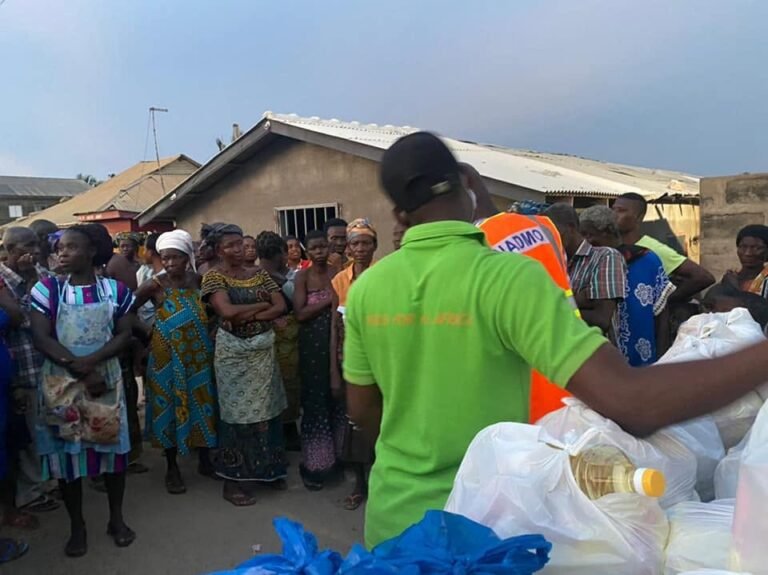
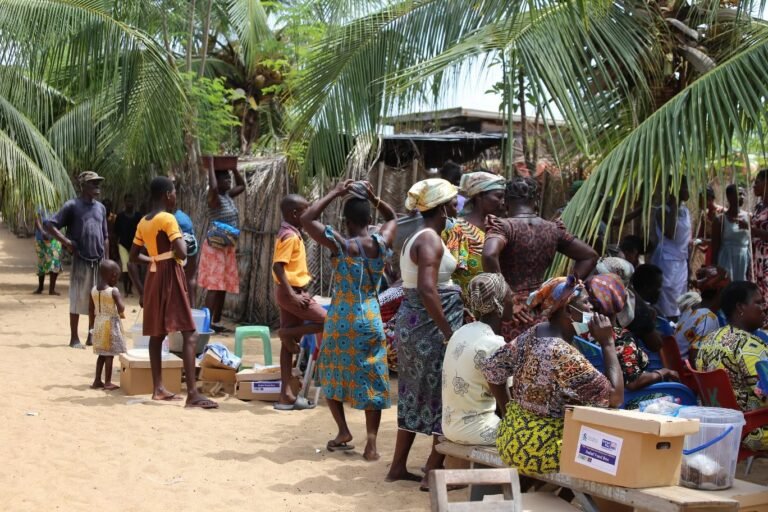
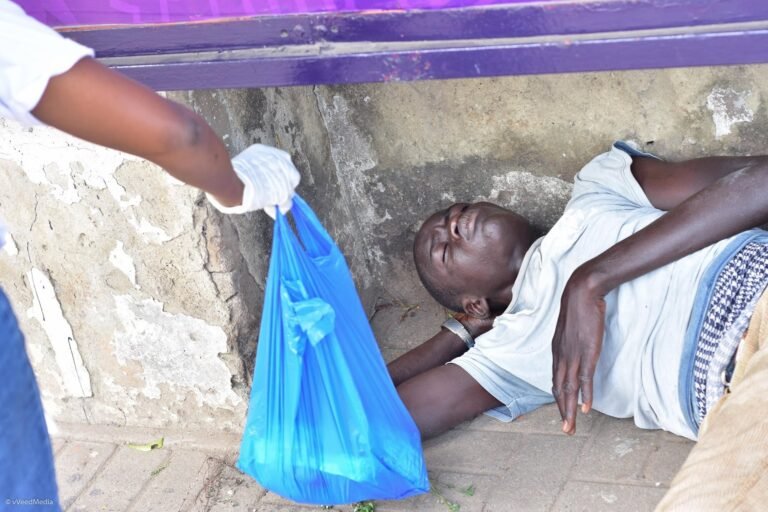
We provide immediate food assistance and essential relief items to communities impacted by natural disasters, public health emergencies, and socio-economic shocks. Our interventions prioritize dignity, speed, and equity, ensuring that affected populations receive critical support when they need it most.

Key Emergency Interventions

Akosombo Dam Overflow Relief Response

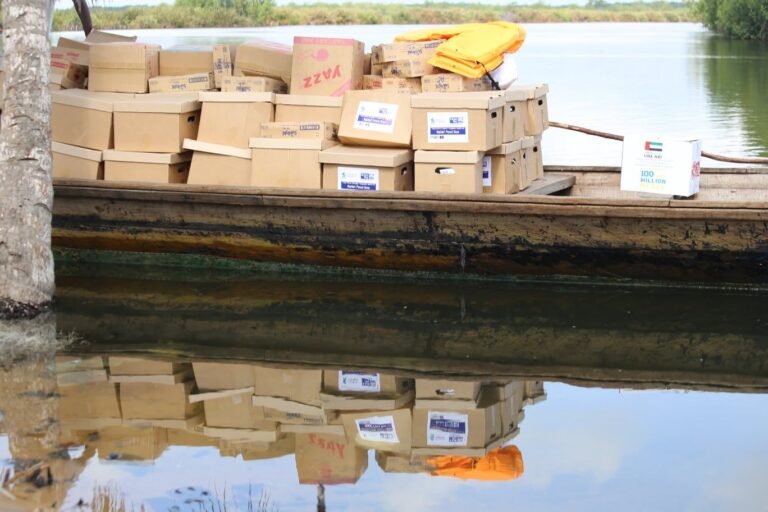
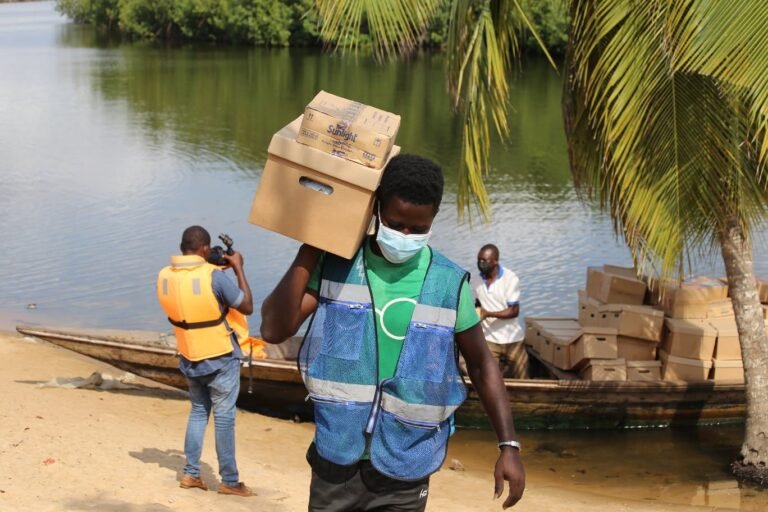
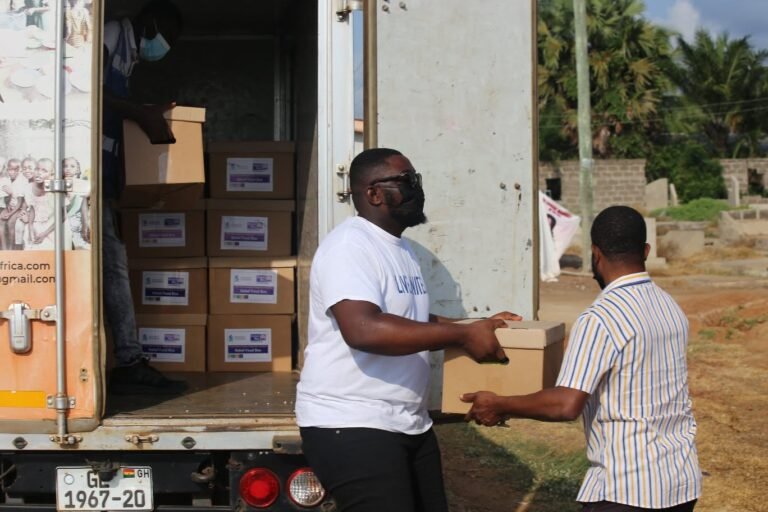
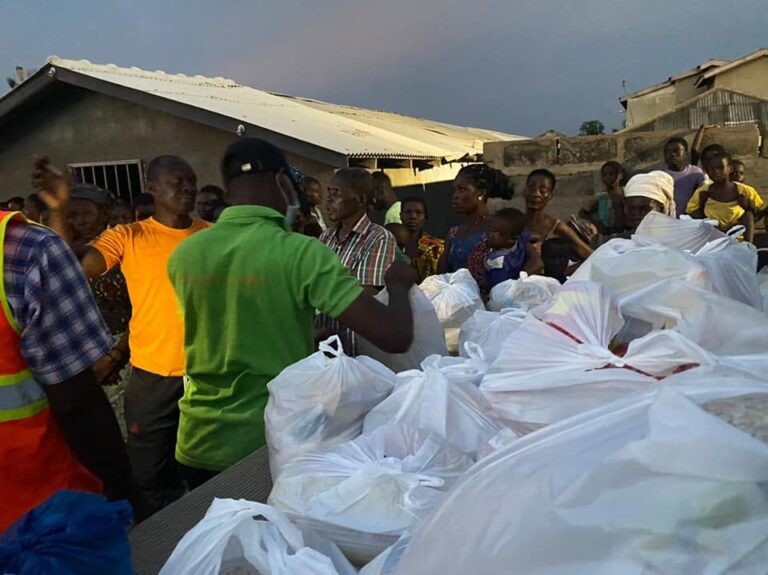
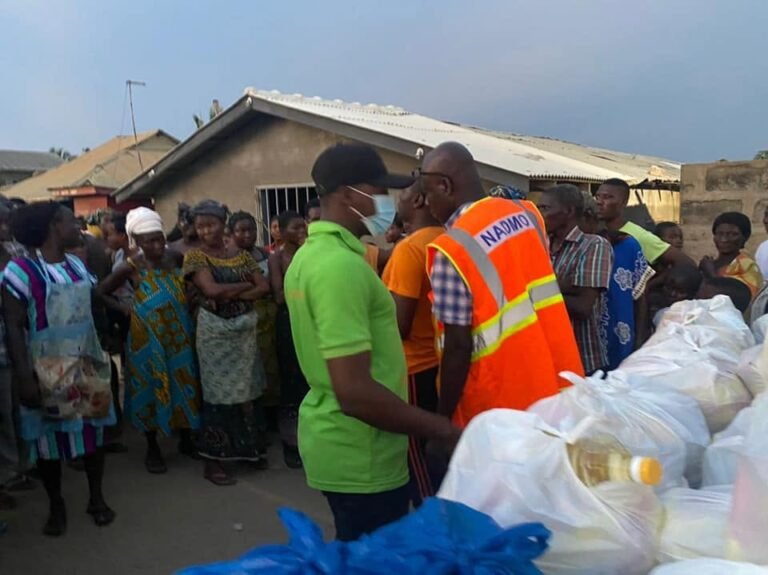
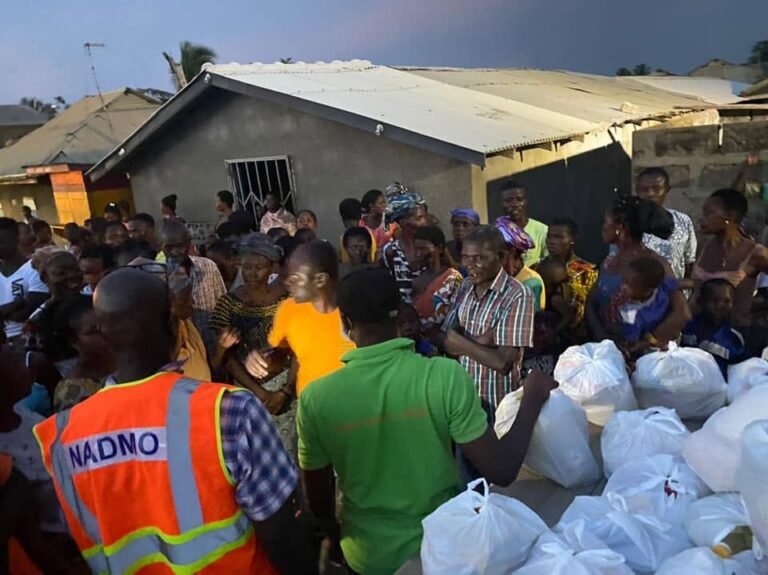
During the Akosombo Dam spillage and flooding crisis, Food for All Africa supported displaced families and affected communities with emergency food supplies, cooked meals, and essential relief items. We worked with local partners and volunteers to reach flood-affected areas, helping restore basic nutritional security during the emergency period.
Anloga Tidal Waves Community Support

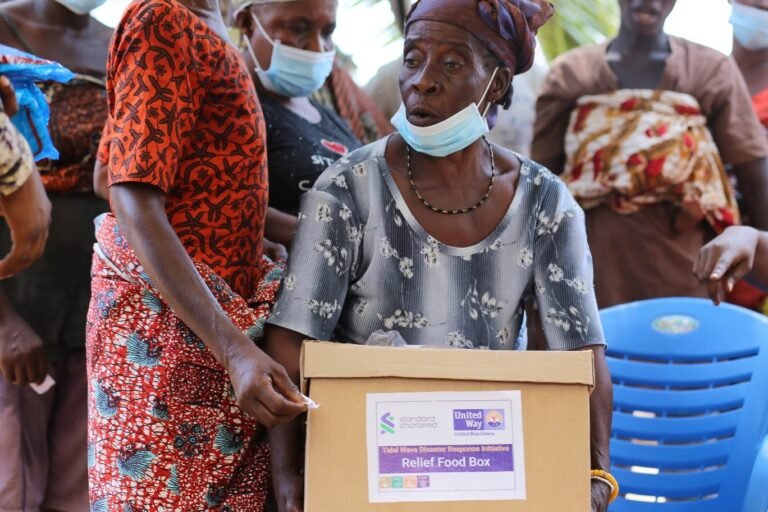
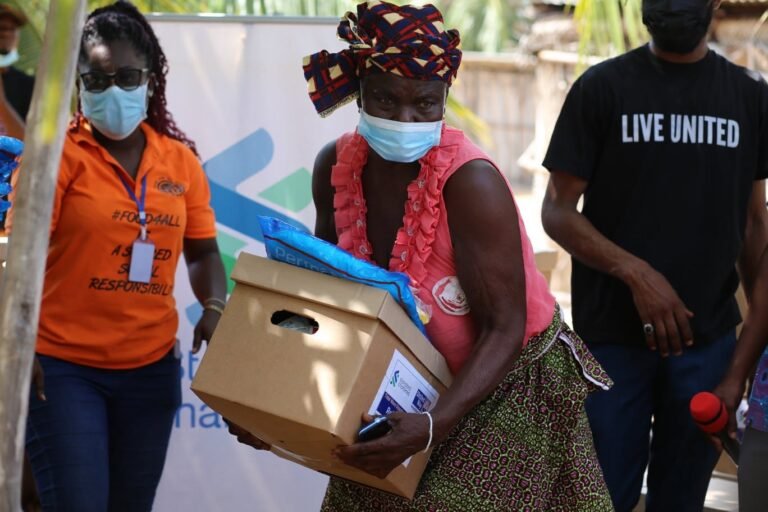
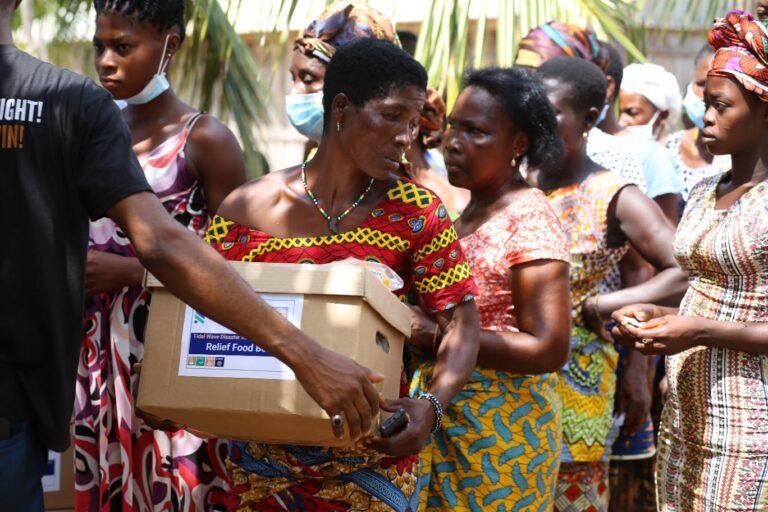
In response to tidal wave disasters affecting coastal communities in Anloga and surrounding areas, we provided emergency food relief, hot meal distribution, and community support interventions for displaced households. Our support focused on restoring dignity and addressing immediate food insecurity among affected families.
COVID-19 Emergency Intervention Programme

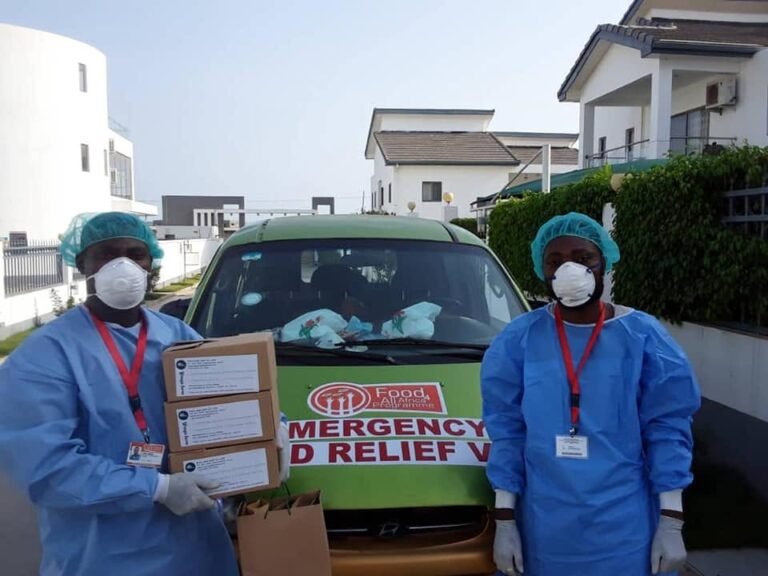
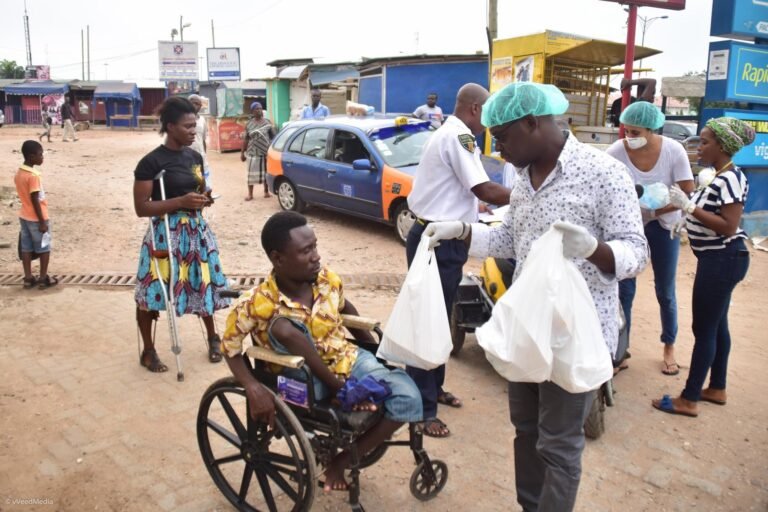
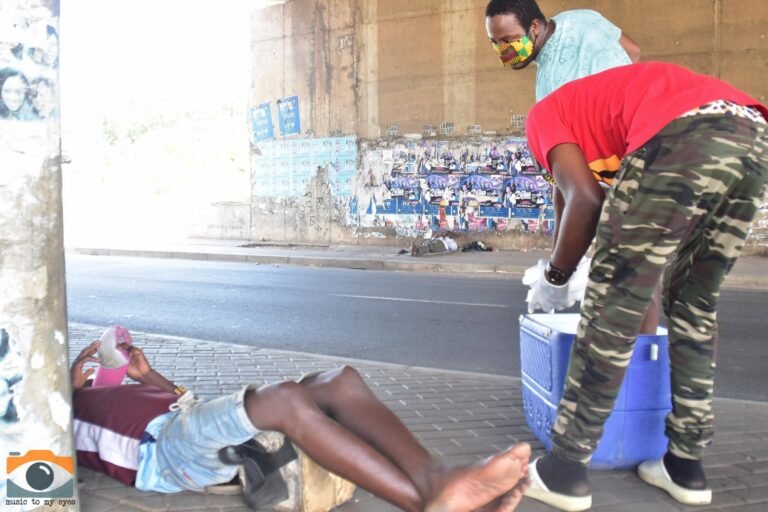
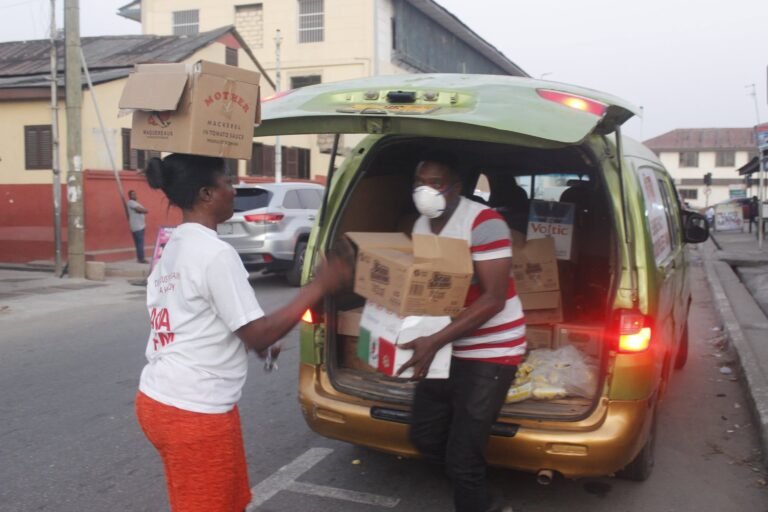
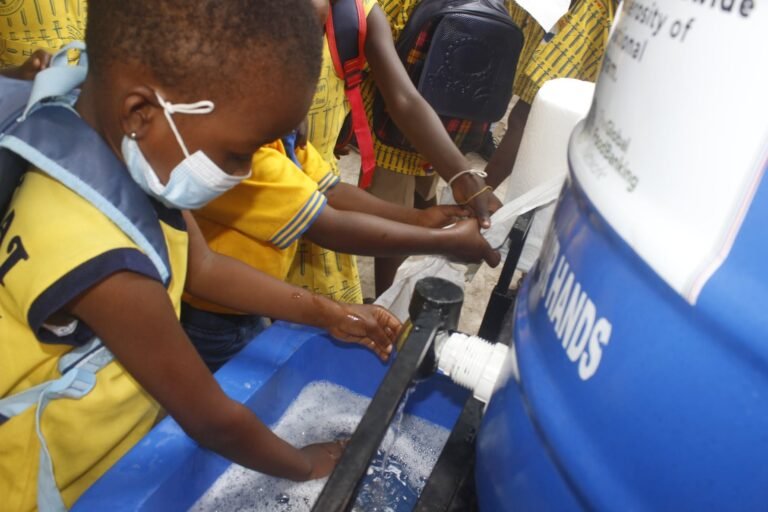
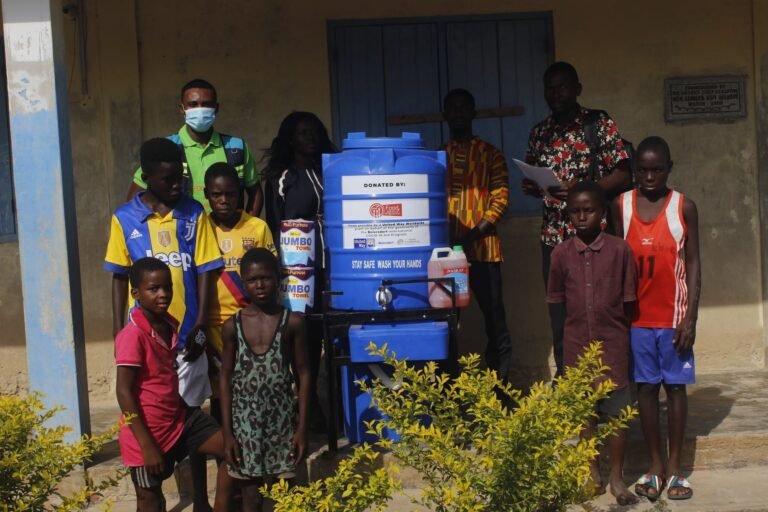
During the COVID-19 pandemic, Food for All Africa implemented a nationwide emergency response programme that provided food relief to vulnerable households affected by lockdowns, income loss, and restricted movement. We supported frontline communities, informal workers, and low-income families through large-scale food distribution and mobile outreach programmes.

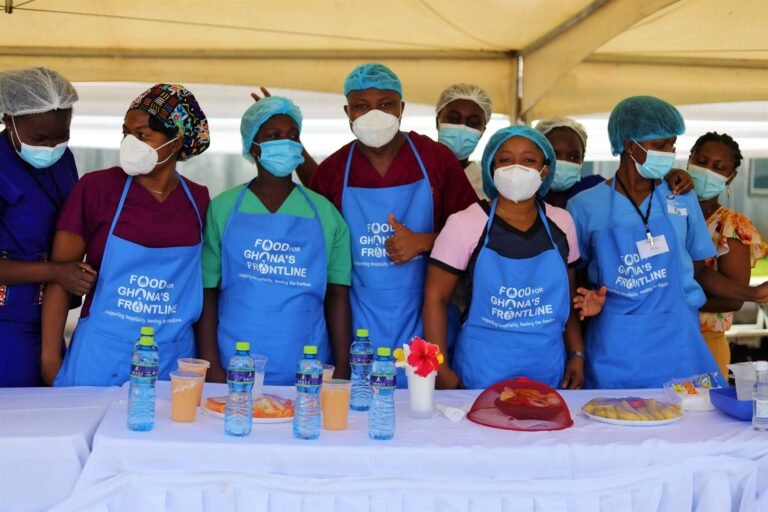
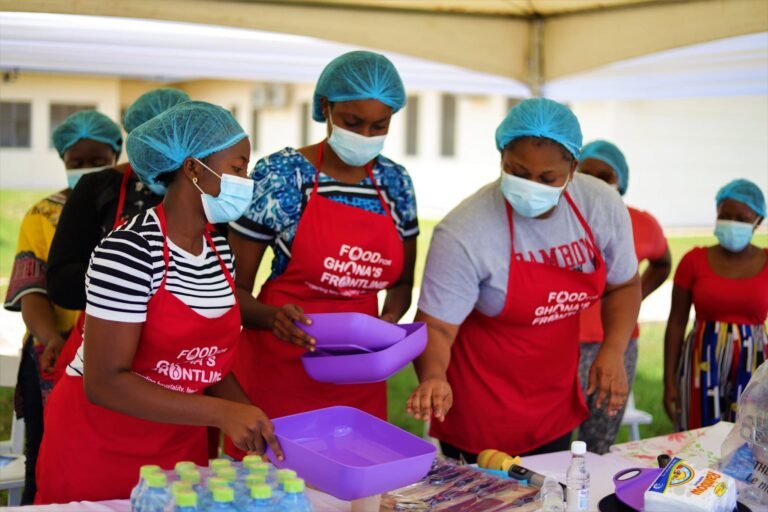
Food for Ghana Frontline Project

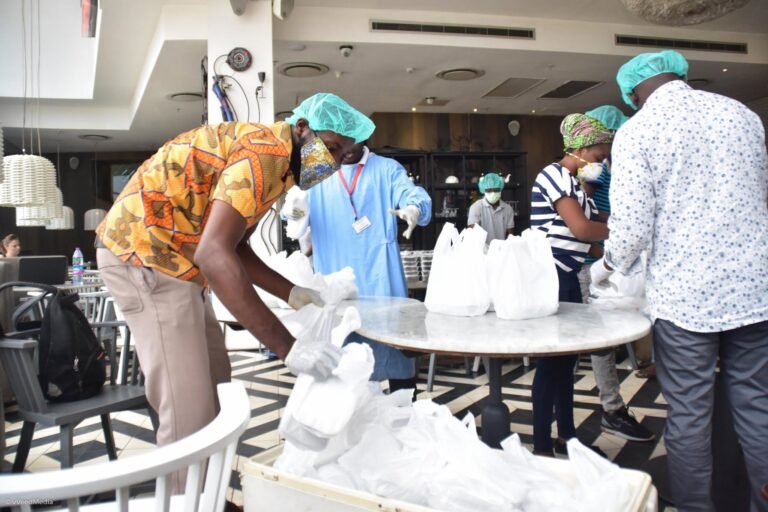
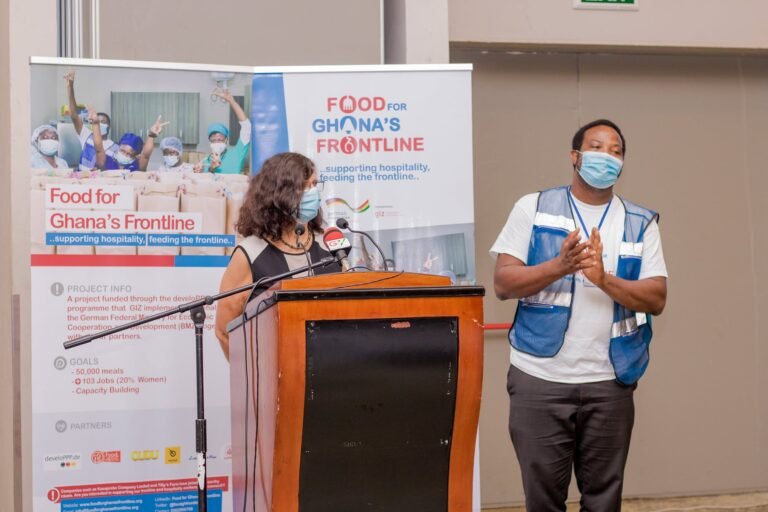
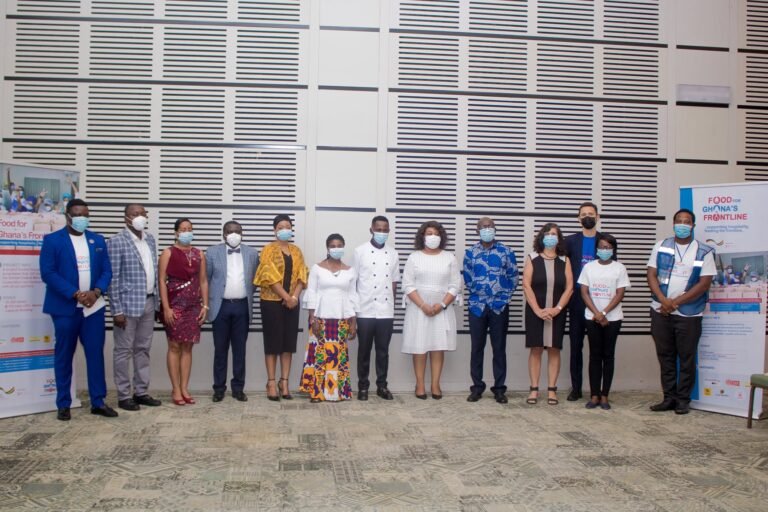
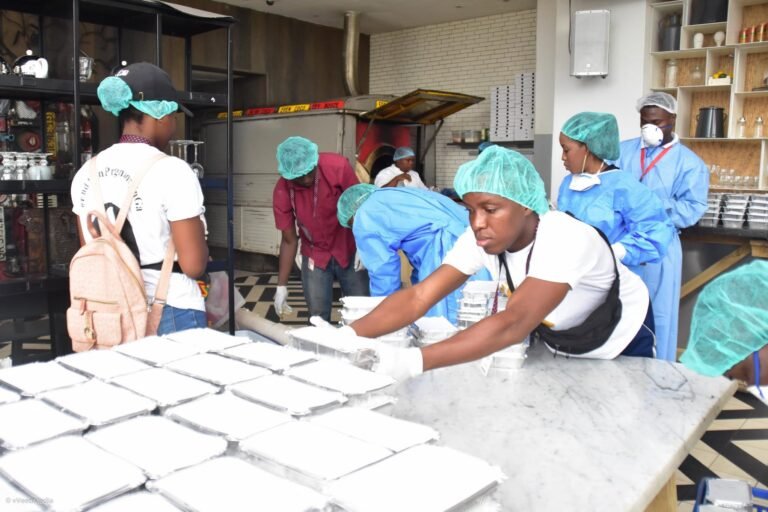
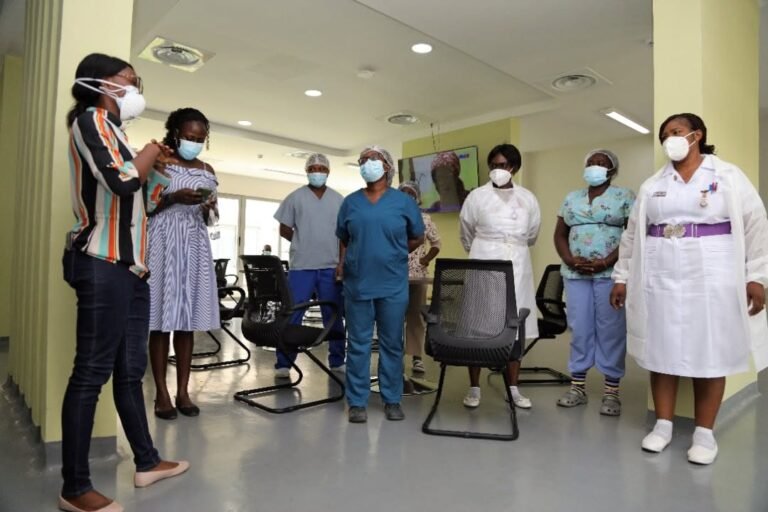
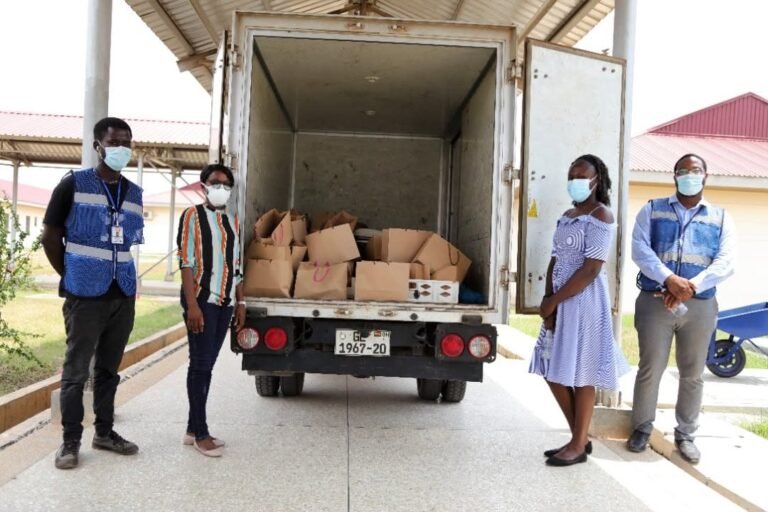
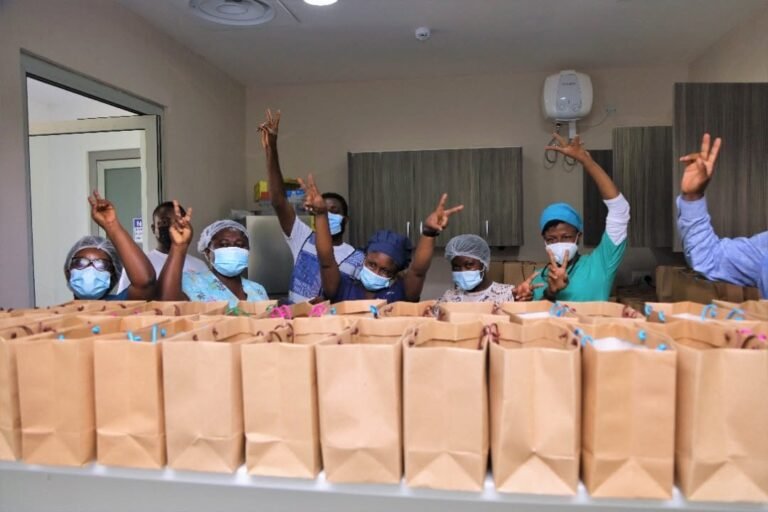
The Food for Ghana Frontline Project was launched in partnership with GIZ Ghana DevelopIT to support frontline workers, including healthcare professionals, hospitality personnel, and essential service providers during crisis periods. The programme provided hot meals, food packages, and essential support to individuals serving on the frontlines of national emergencies.

UAE 1 Billion Meals Campaign – Emergency Relief Partnership

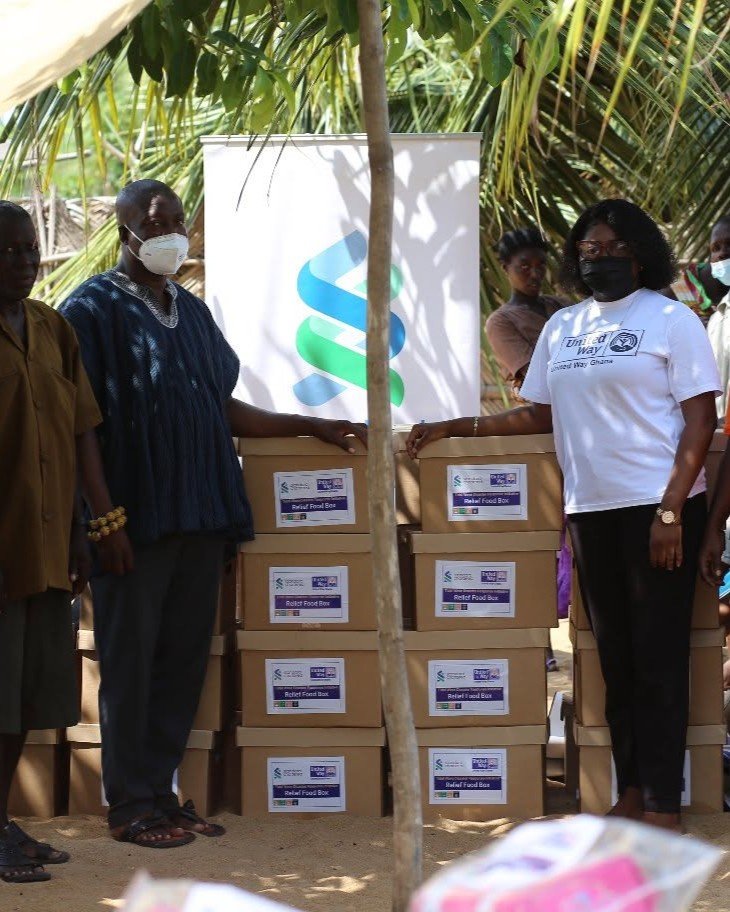
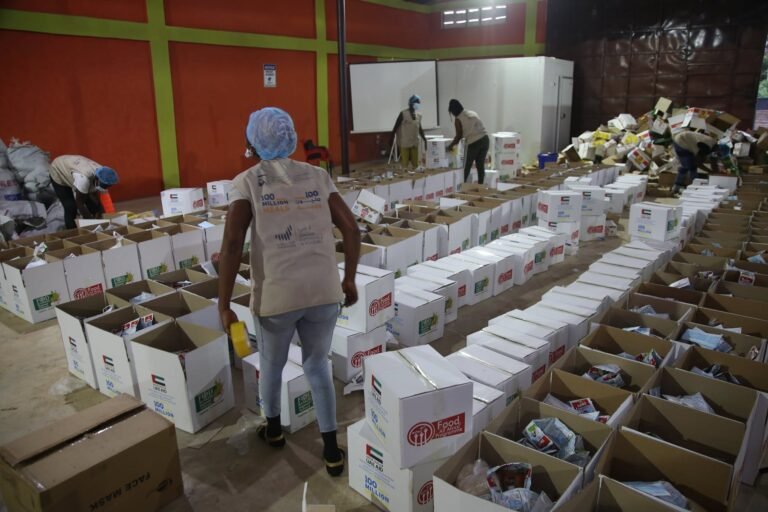
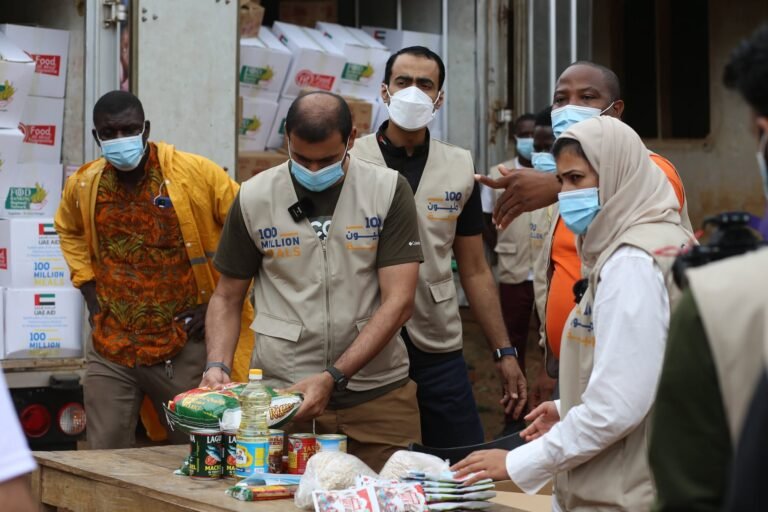
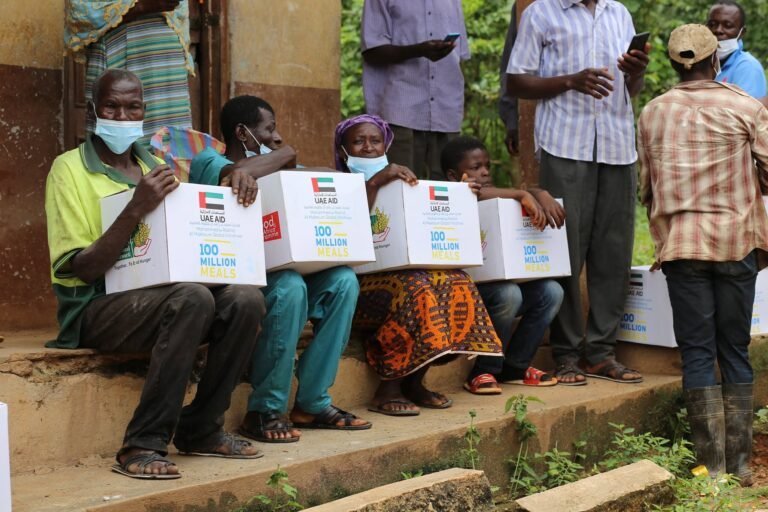
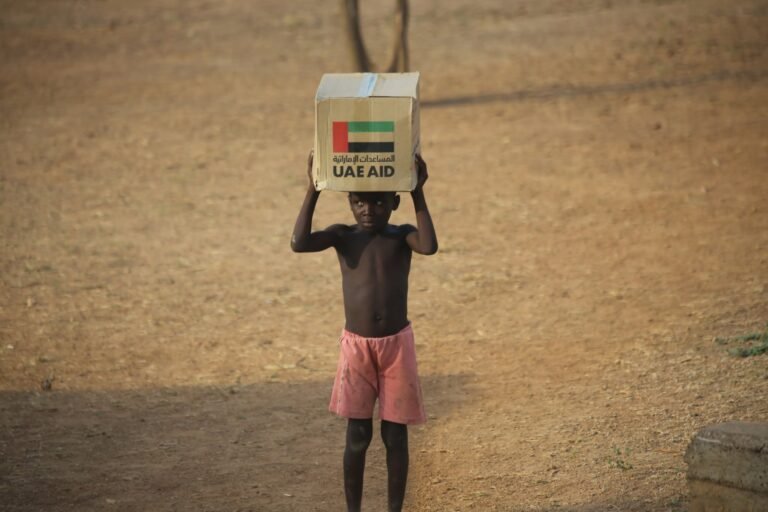
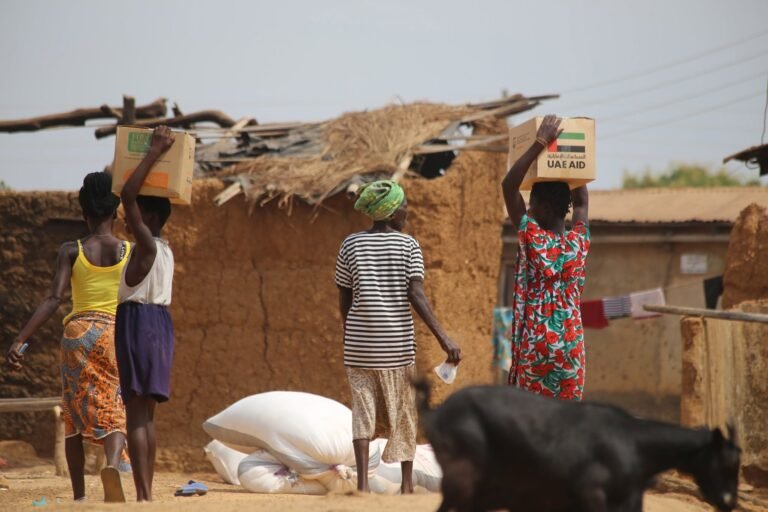
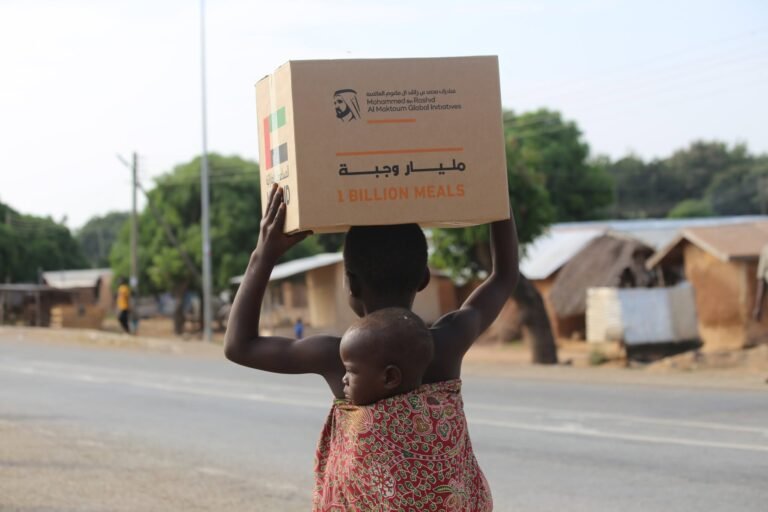
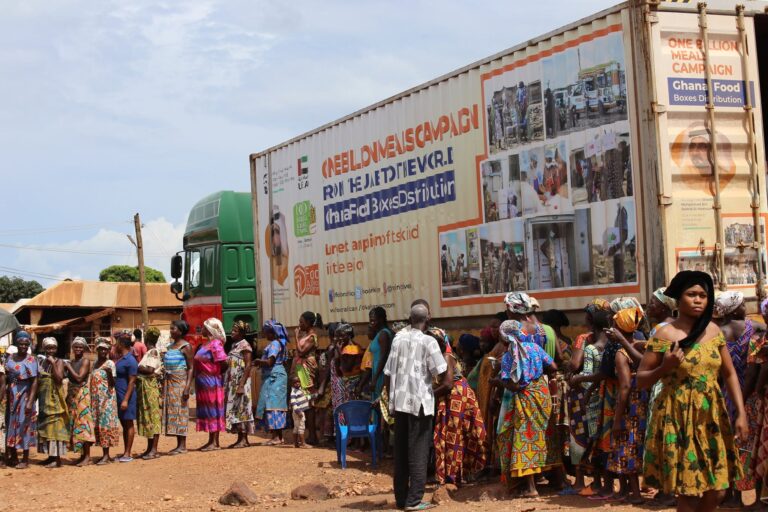
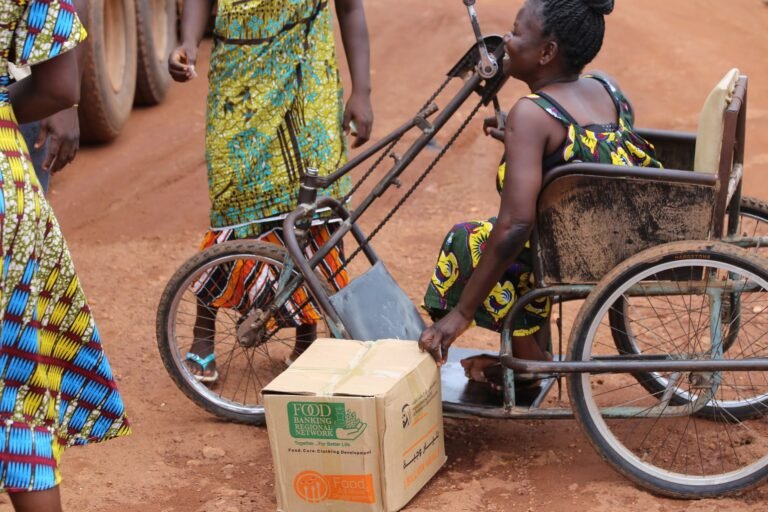
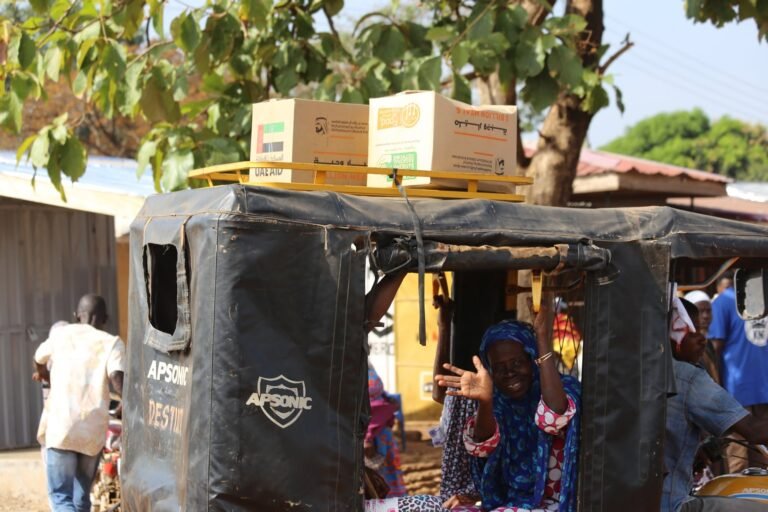
As part of the global humanitarian response ecosystem, Food for All Africa participated in the UAE 1 Billion Meals Campaign, supporting large-scale food distribution efforts to over 50,000 households aimed at addressing hunger and food insecurity among vulnerable populations. This collaboration strengthened our capacity to deliver emergency relief at scale and reinforced global solidarity in the fight against hunger.

Our Emergency Response Model

Our emergency relief operations are built on a structured and scalable system that includes:

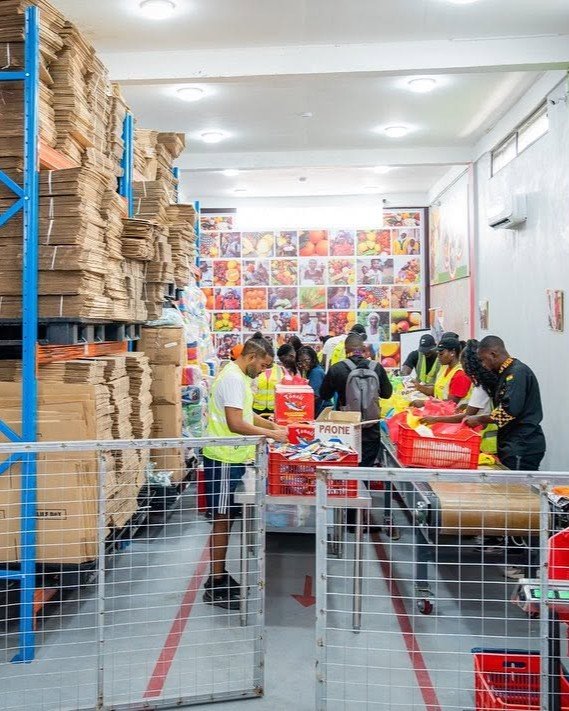
Rapid mobilization of food and relief supplies

Post-crisis recovery and livelihood support integration

Volunteer coordination and logistics support

Partnerships with local authorities, NGOs, and community leaders

Use of existing beneficiary networks and Circular Food Banking infrastructure

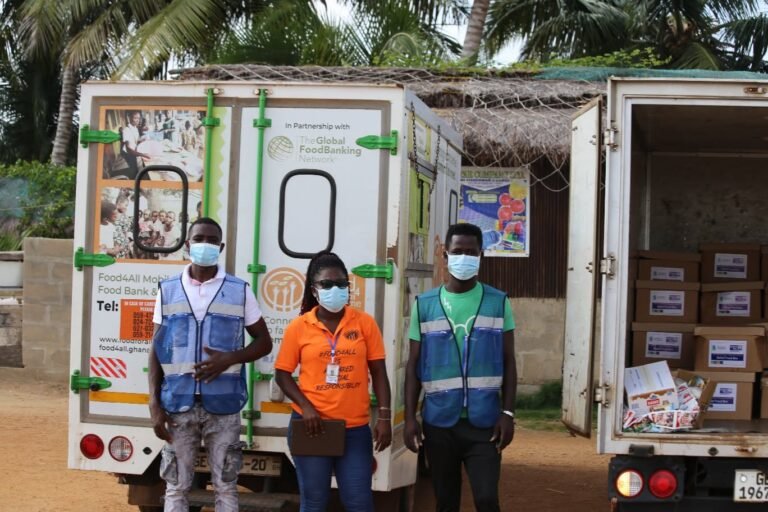
Deployment of mobile food banking and hot meal services

Partner With Us

What We Do

Building Resilience Through Relief

While our immediate focus is on saving lives and addressing urgent hunger needs, our emergency interventions are also designed to support long-term recovery. We integrate food relief with rehabilitation support, livelihood restoration, and community rebuilding efforts to ensure that affected populations can recover stronger and more resilient.

Through every crisis, Food for All Africa remains committed to standing with vulnerable communities—delivering not only food, but hope, dignity, and stability when it is needed most.